
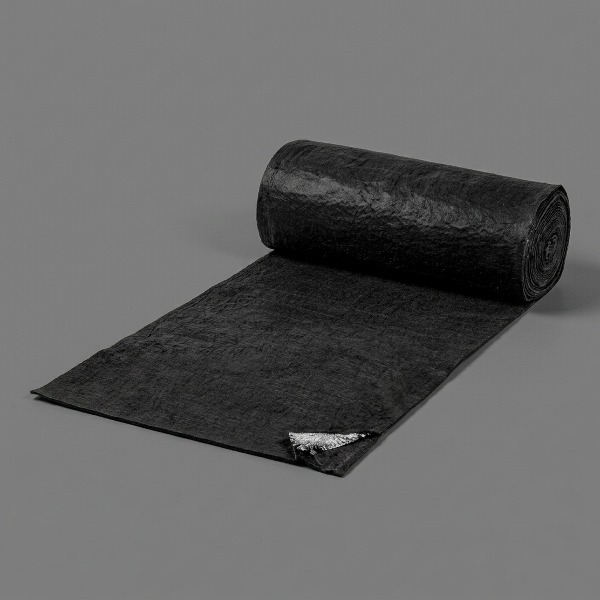
Carbon Felt / Carbonized Felt
Above 2000°C
Main applications
carbon felt insulating vacuum furnaces and high-temperature processing plant
Key Features
Extreme insulation above 2000°C
Carbonised carbon fiber felt — insulating above 2000°C in nitrogen, vacuum and inert atmospheres
Electrically conductive insulation
The conductivity characteristic of carbon fiber allows use inside induction heating equipment
Chemical and oxidation resistance (inert atmosphere)
Carbon does not react in inert or vacuum atmospheres, securing long-term stability at temperature
Very low heat storage
Low heat capacity follows rapid temperature changes — ideal for fast heat-up and cool-down equipment
Freely cut and fabricated
In felt form it is cut freely with a knife or laser into cylinders, flat sheets and special shapes
Specifications
| Material | PAN- or rayon-based carbonised carbon fiber felt |
| Service temperature | Above 2000°C (vacuum and inert atmospheres only) |
| Thickness | 3 mm to over 50 mm |
| Density | Approx. 60–200 kg/m³ |
| Service atmosphere | Vacuum, nitrogen, argon — not usable in oxidising atmospheres |
| Main applications | Vacuum and high-temperature furnace insulation, semiconductor heat-treatment insulation |
Applications
Vacuum & high-temperature furnaces
- •Wall insulation in vacuum sintering furnaces
- •Insulation in high-temperature vacuum heat-treatment furnaces
Semiconductor & materials
- •Insulation of silicon crystal growth furnaces
- •Insulation of silicon carbide (SiC) sintering furnaces
Specialty heat treatment
- •Inert-atmosphere insulation in metal heat-treatment furnaces
- •Insulation for specialty ceramic firing
Research & pilot plant
- •Insulation of extreme-temperature research furnaces
- •Insulation of laboratory vacuum heating equipment
Notes
- ※It oxidises away above 400°C in air — use only in inert or vacuum atmospheres.
- ※Choose density and thickness by peak temperature and allowable heat loss — we recommend agreeing the specification after technical consultation.