
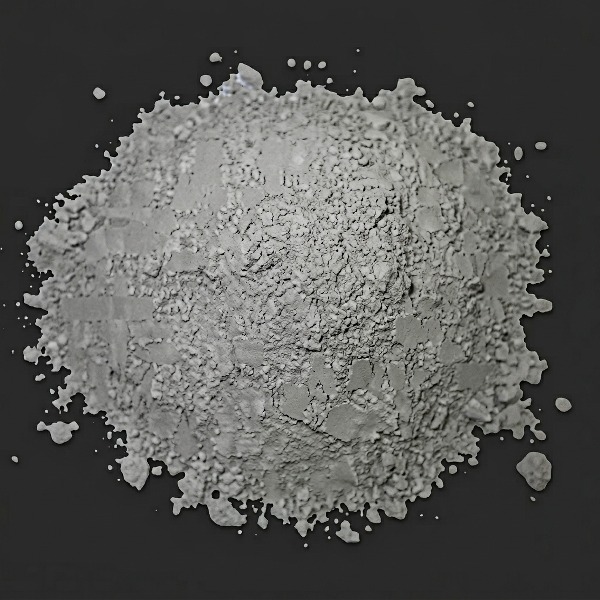
Refractory Materials
Refractory Castable
Refractory temperature
Extreme heat1300–1800°C
Main applications
Alumina- and silica-based refractory castables
- graded 1200–1800°C
- cast on site as a monolithic lining for complex shapes
- for cement kilns
- incinerators and steel plant
Key Features
💧
Fluid, cast in place
Mixed with water to a fluid consistency — filling complex shapes and tight spaces completely
🔥
1300–1800°C refractory performance
High-alumina, SiC and other grades — the right castable for your application temperature
💪
High mechanical strength when cured
Compressive strength above 30–60 MPa once cured — structurally stable under impact and load
🛡️
Slag and oxidation resistance
Resistant to slag and melt contact — an alternative to brick construction in steel and foundry service
⚡
Ideal for repair work
Cast to repair part of an existing lining — no full demolition, minimising downtime
Specifications
| Material | High alumina, SiC, ultra-refractory (90% Al₂O₃) and other grades |
| Refractory temperature | 1300–1800°C (by grade) |
| Compressive strength | 30–70 MPa (cured) |
| Water addition rate | Approx. 6–12% (by product specification) |
| Curing method | Air cure for 24 hours, then staged firing ramp |
| Main applications | Complex-shape refractory linings, partial repair casting, equipment foundations |
Applications
Steel & casting
- •Cast linings at tapholes and pouring spouts
- •Castables for ladles, runners and gating systems
Petrochemical & process
- •Cast refractory linings in reactors and crackers
- •Refractory installation in cyclone separators
Incineration & energy
- •Cast refractory in incinerator combustion chambers
- •Refractory linings for waste heat boilers
Ceramics & glass
- •Cast linings for kiln and melter floors and walls
- •Emergency partial repair casting
Notes
- ※Observe the water addition rate and curing time exactly — too much water reduces strength, and rapid heating risks explosive spalling.
- ※Tell us the application temperature and conditions (slag type, impact loading) and we will recommend the optimal castable grade.