
The single most important criterion when choosing insulation is service temperature. Pick the wrong material and you lose not only thermal performance but risk fire and equipment damage. This guide compares the three materials most widely used on industrial sites — glasswool, mineral wool and Cerakwool — and sets out how to choose between them.
1. Glasswool (glass fiber insulation)
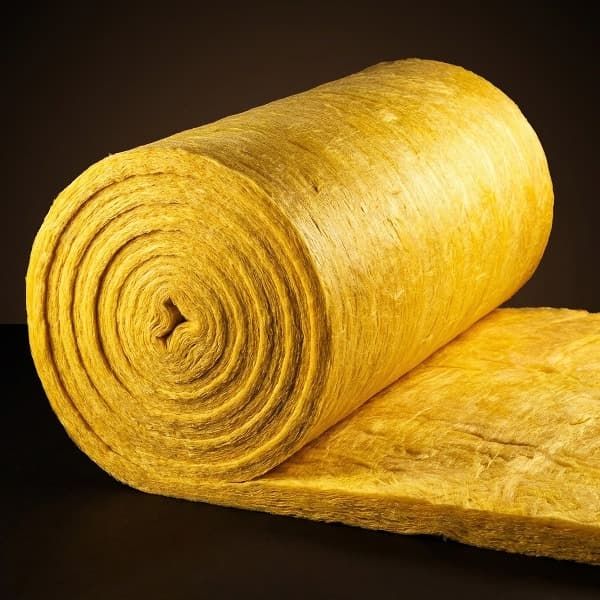
Glasswool is made by melting glass at high temperature and spinning it into fibers. Its excellent value for money makes it the most general-purpose insulation available.
- Service temperature: ambient to 350°C
- Density: 24K, 32K, 48K, 64K (higher K means denser and higher performing)
- Forms: roll/blanket, glass board, pipe section (self-seal cover), paper, cloth
- Advantages: light weight, excellent sound absorption, competitive price
- Disadvantages: unsuitable above 350°C, sensitive to moisture uptake
- Main uses: general pipe insulation, duct insulation, building interior insulation
2. Mineral wool (rock wool insulation)
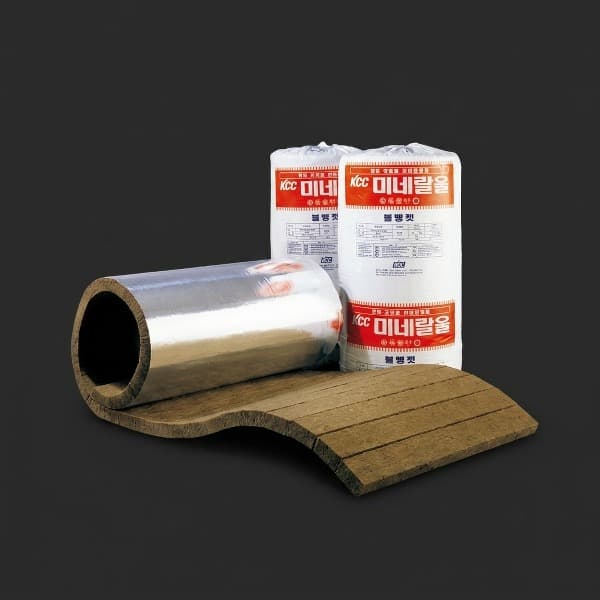
Mineral wool is made from natural minerals such as basalt, offering better heat resistance and fire performance than glasswool.
- Service temperature: ambient to 600°C (up to 750°C on some products)
- Density: 40K – 160K
- Forms: board/wired mat, lamella mat, loose wool, large-diameter pipe sections
- Advantages: high heat resistance, fire performance, excellent sound absorption
- Disadvantages: heavier and more expensive than glasswool
- Main uses: fire compartments, medium- and high-temperature plant insulation, industrial furnace insulation
3. Cerakwool (ceramic fiber)
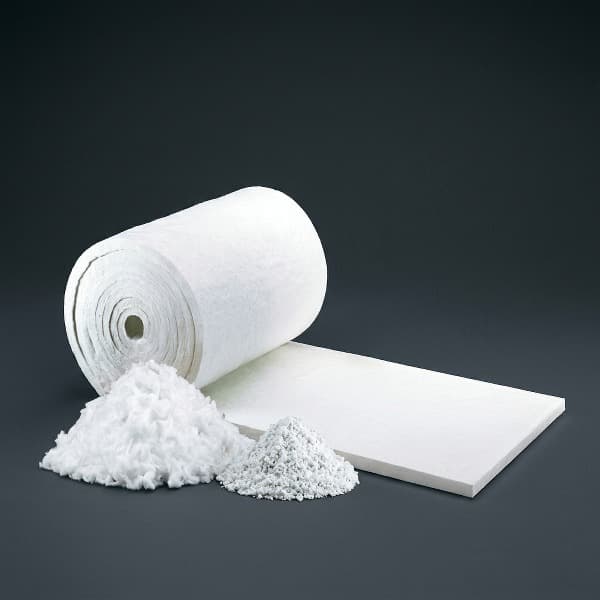
Cerakwool is an extreme-temperature insulation made from ceramic components such as alumina and silica. It is used above 800°C, where conventional insulation cannot go.
- Service temperature: 800°C to 1430°C (graded)
- Grades: 1100°C / 1260°C / 1430°C (HTZ) / bio-soluble
- Forms: blanket, board, module, paper, rope, bulk
- Advantages: extreme heat resistance, light weight, resistance to rapid heating and cooling
- Disadvantages: expensive, performance can drop if it takes up moisture
- Main uses: incinerators, heat-treatment furnaces, petrochemical plant, steel mills
Selection summary by temperature
| Ambient – 200°C | Glasswool, urethane pipe insulation, rubber foam |
| 200 – 350°C | Glasswool (high-temperature grade), mineral wool |
| 350 – 600°C | Mineral wool (primary recommendation) |
| 600 – 1000°C | Cerakwool 1100°C, silica materials |
| 1000 – 1260°C | Cerakwool 1260°C |
| Above 1260°C | Cerakwool HTZ 1430°C, high-purity silica |
✅If you are unsure of the service temperature, leave a safety margin and choose one grade higher. For an accurate material selection we recommend a technical consultation on +82 10-4266-9745.
Conclusion
Glasswool is the most economical choice for general industrial insulation. Mineral wool suits medium- and high-temperature plant and environments requiring fire performance, and Cerakwool is the only realistic option above 800°C. What matters most is establishing your service temperature and environment accurately before you choose.
Need a product quote or technical advice?
Our specialists will respond with a quotation quickly
Related Technical Guides
Technical Guide
Silica Materials — Fabrics, Felts and Ropes for Service Above 1000°C
Technical Guide
Acoustic Insulation Explained — Absorption vs Blocking, NRC and Density
Technical Guide
Insulation Service Life — When Should It Be Replaced?
Technical Guide
Insulation Performance Compared — Thermal Conductivity, R-Value and Thickness