
At duct expansion joints, incinerator flues, hot pipe connections and as insulation jacket skins, ordinary textiles will not do — a coated heat-resistant fabric is required. Teflon, silicone, carbon, silica and Kevlar differ considerably in their properties, so matching the material to the environment matters. This guide sets out the key differences.
1. Teflon coated fabric (PTFE)
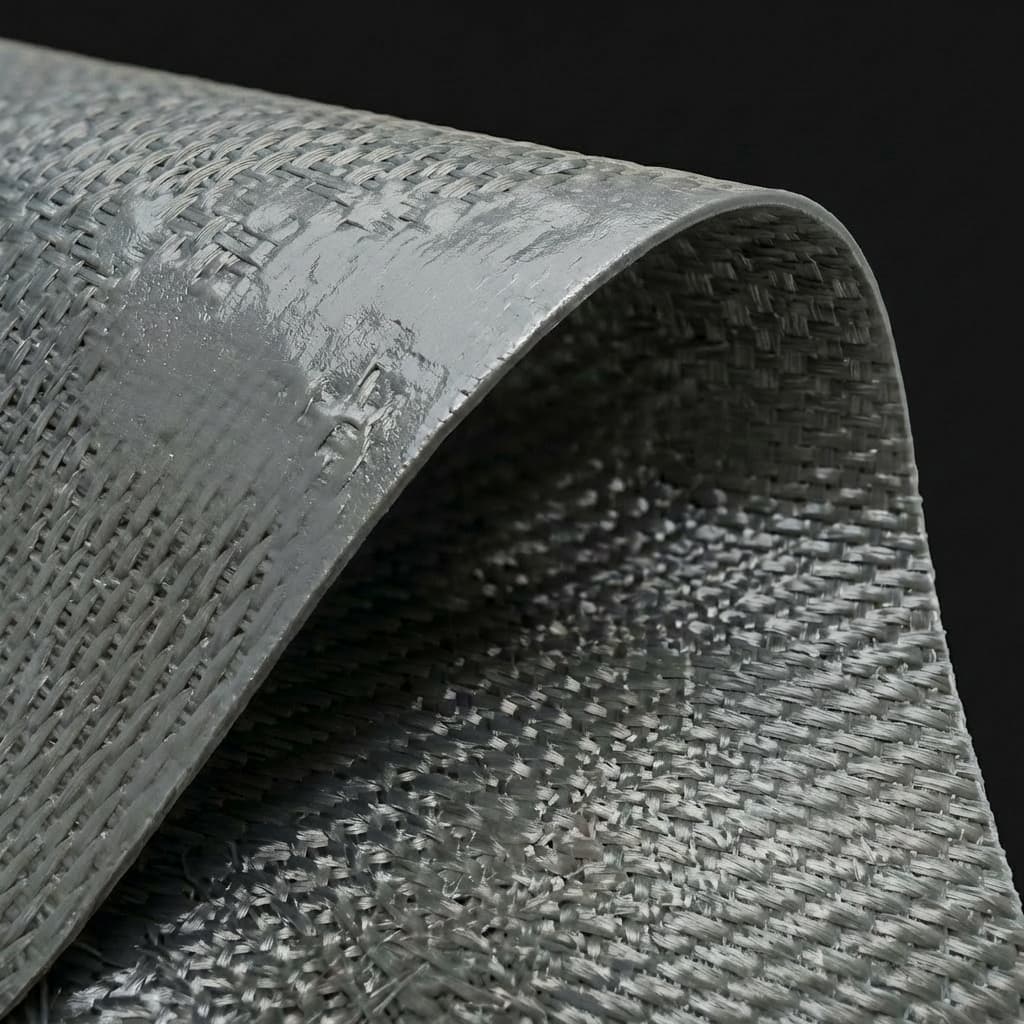
A glass fiber substrate coated with PTFE (polytetrafluoroethylene, commonly known as Teflon). Its chemical resistance and non-stick surface make it a particular favourite in food, pharmaceutical and chemical work.
- Service temperature: −70°C to +260°C (300°C peak)
- Chemical resistance: strong against virtually all chemicals — acids, alkalis, solvents and oils
- Non-stick: nothing adheres to it — ideal for conveyor belts and food processing lines
- Excellent dielectric properties — also used in electronics and semiconductor processes
- White and brown shades / thicknesses from 0.1 to 1.5 mm
- Main uses: duct expansion joints, food conveyors, chemical pipe packing, insulation jacket skins
2. Silicone coated fabric
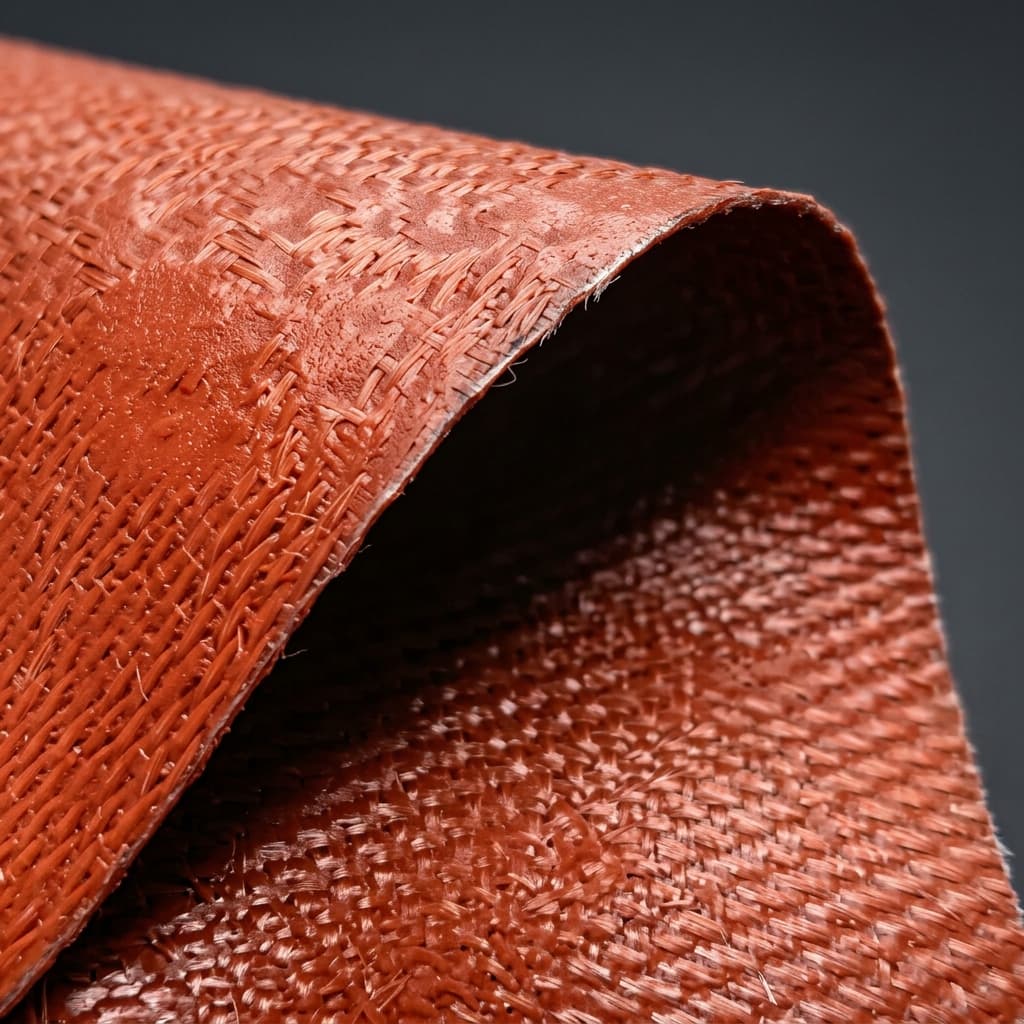
A glass fiber substrate coated with silicone rubber, offering excellent flexibility and waterproofing. It is widely used outdoors and where oil or steam is present.
- Service temperature: −60°C to +300°C (450°C peak)
- Excellent flexibility — fits tightly to complex expansion joints
- Excellent water and vapour resistance — for outdoor exposure and where rain and moisture must be kept out
- Tolerates oil and steam contact — the general-purpose insulation jacket skin
- Red, grey and white shades / thicknesses from 0.3 to 3.0 mm
- Main uses: flexible duct joints, outdoor insulation jacket skins, fire curtains, welding heat shields
3. Carbon coated fabric
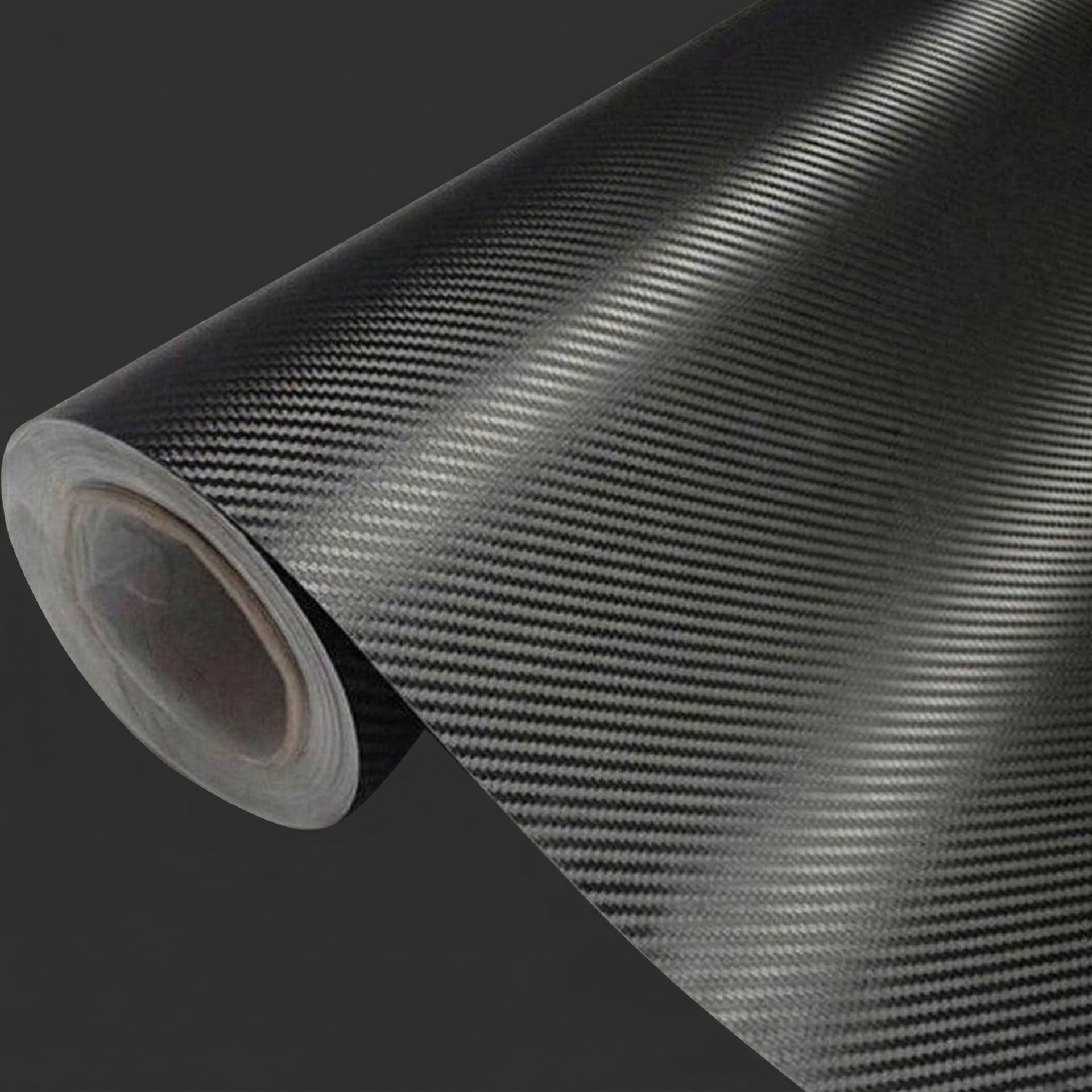
A glass fiber substrate coated with carbon (graphite), combining heat resistance with electrical conductivity. Its surface is black.
- Service temperature: ambient to +500°C
- Anti-static properties — for explosion-risk environments and pipework around cleanrooms
- Heat resistance combined with conductivity — usable for EMI shielding
- Good oxidation resistance at temperature
- Black appearance — high radiant absorption at the surface
- Main uses: anti-static duct covers, high-temperature electrical shielding, specialist insulation jacket skins
4. Silica fabric
Woven from high-purity silicon dioxide (SiO₂) fiber, this is a purely inorganic heat-resistant fabric that withstands over 1000°C without any coating.
- Service temperature: ambient to +1000°C (1200°C peak)
- Excellent flexibility — can be wrapped around complex shapes
- Excellent acid resistance — for sulphuric and hydrochloric acid environments
- Inorganic — does not burn or melt, and releases no halogen or toxic gas
- White to off-white
- Main uses: wrapping pipework above 1000°C, incinerator and furnace insulation, welding heat shields, protective clothing
5. Kevlar® fabric
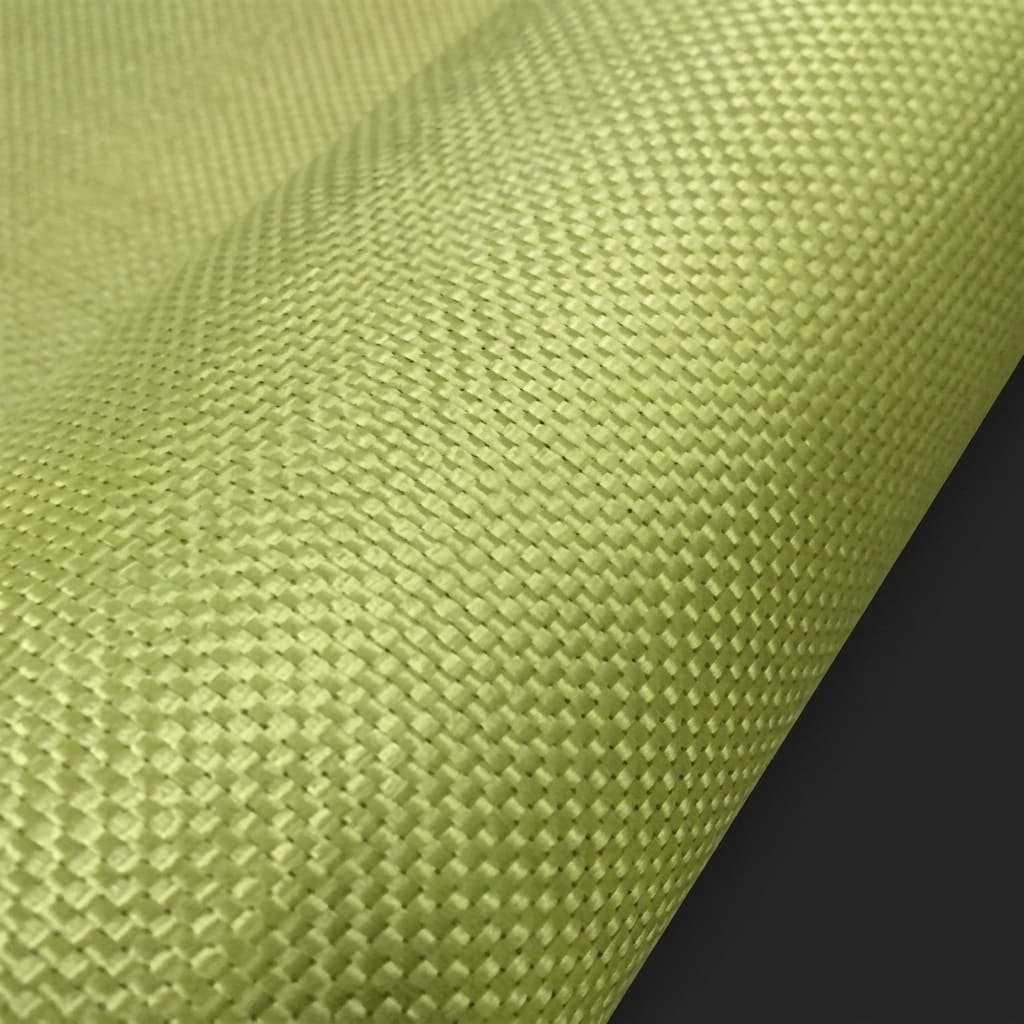
A high-strength heat-resistant fabric woven from aramid (Kevlar®) fiber. It is specified less for heat resistance alone than where cut resistance, impact resistance and high strength are required.
- Service temperature: ambient to +450°C continuous, 600°C peak
- Tensile strength five times that of steel — the same material as body armour and protective gloves
- Outstanding cut and abrasion resistance
- Lightweight — low weight for a given strength
- Its distinctive yellow-gold appearance
- Main uses: hot, high-abrasion duct expansion joints, heat-resistant safety gloves, protective insulation covers, high-strength joints
6. Glass fabric — the uncoated baseline

A basic heat-resistant fabric woven from glass fiber with no coating. It serves as the substrate for the coated materials above and is also used on its own for heat resistance.
- Service temperature: ambient to +550°C
- The cheapest option — the baseline among heat-resistant fabrics
- Lower chemical and water resistance than coated products
- Main uses: surface finishing of insulation, reinforcement for pipe wrapping, low-budget heat-resistant covers
At a glance
| Teflon (PTFE) | To 260°C / best chemical resistance / non-stick / food and chemical work |
| Silicone | To 300°C / waterproof and flexible / outdoors, oil and steam contact |
| Carbon | To 500°C / anti-static and conductive / explosion risk and clean environments |
| Silica | To 1000°C / purely inorganic / incinerators, furnaces, welding |
| Kevlar (aramid) | To 450°C / high strength and cut resistance / high-abrasion areas and protective gear |
| Glass fabric | To 550°C / the most economical / general heat resistance and insulation finishing |
Selection summary
- Frequent chemical or oil contact → Teflon coated cloth
- Outdoor installation, waterproofing needed, insulation jacket skin → silicone coated cloth
- Anti-static requirement → carbon coated cloth
- Extreme temperature above 1000°C → silica fabric
- High strength, abrasion or cut resistance needed → Kevlar cloth
- Budget-driven, general heat-resistant finishing → glass fabric
✅If you are weighing up which cloth to use as an insulation jacket skin, tell us the service temperature, the environment (indoor, outdoor, oil, steam) and the properties you need (waterproofing, chemical resistance, strength) and we will specify the right material. Technical advice: +82 10-4266-9745
Need a product quote or technical advice?
Our specialists will respond with a quotation quickly
Related Technical Guides
Technical Guide
Carbon-Based Insulation — Carbon Fiber, Graphite and Carbon Foam
Technical Guide
Electrical Insulation Materials Compared — Mica, Epoxy, Ceramic Board and Silicone Rubber
Product Guide
What Is High-Temperature Canvas? Types, Materials and Applications
Technical Guide
Silica Materials — Fabrics, Felts and Ropes for Service Above 1000°C